

Definition of Headstand Yoga
Headstand yoga, or “Sirsasana” in Sanskrit, is a fascinating and revered asana that finds its roots in ancient yogic practices. Despite looking intimidating, the headstand is often celebrated as the "king" of all asanas due to its numerous physical, mental, and emotional benefits. Executing this inversion involves balancing on one’s head while supporting the body seamlessly with the arms and shoulders. For those new to yoga, the headstand can appear daunting; however, it is not simply a feat of strength or balance but rather a holistic exercise that fosters a deeper connection between the mind and body. When Sara, a budding yogi, decided to tackle the headstand, she was initially overwhelmed with fear of falling. Yet, with consistent practice and the right guidance, she transformed her anxiety into a sense of accomplishment, exploring new dimensions in her yoga journey.
Understanding Headstand Yoga
At its core, headstand yoga is an inversion pose. Unlike standing or sitting positions, where gravity works against the body, inversions invite practitioners to turn the body upside down, allowing gravity to work in their favor. This shift in orientation stimulates blood flow to the brain, promoting heightened focus and clarity. Here are some fundamental aspects of headstand yoga:
- Foundation: The pose forms a tripod-like base with the crown of the head, arms, and shoulders. This stable foundation is crucial for maintaining balance and ensuring safety.
- Alignment: Proper alignment is essential to avoid strain on the neck and spine. The body should be aligned in a straight line from the base to the toes, with the core engaged for stability.
- Breathing: Deep, controlled breathing is critical throughout the practice. Inhaling and exhaling rhythmically helps to calm the mind and maintain focus.
The headstand serves as a gateway to deeper practice, encouraging a sense of exploration both on and off the mat. Many yogis find that mastering this posture leads to newfound confidence not just in yoga, but in other facets of life.
The Spiritual Connection
Beyond the physical aspects, headstand yoga also suggests a spiritual significance. It challenges practitioners to confront their fears, embrace vulnerability, and step outside their comfort zones. When Lucy began practicing headstands, she described it as a "revolutionary" experience—an opportunity to recalibrate her perspective and embrace the world from a different angle. Practicing inversions, like the headstand, can be a profound metaphor for life: just as one learns to balance and stabilize in the pose, practitioners often learn to navigate challenges with poise and grace in their daily lives.
The Challenges
It is important to acknowledge that the headstand is not just a physical challenge; it also requires mental fortitude. Thoughts of self-doubt and fear can arise as one attempts to find stability in the pose. However, those very challenges become part of the journey, offering invaluable lessons in perseverance and patience. In conclusion, headstand yoga is a transformative practice that encapsulates physical strength, mental clarity, and emotional resilience. As practitioners step into this pose, they not only cultivate their physical abilities but also embark on a path of self-discovery. Whether one is striving for deeper focus, enhanced balance, or simply seeking a new challenge, Sirsasana invites you to explore the many layers of yoga—each as rich and fulfilling as the last. As we move forward, let’s delve deeper into the myriad of benefits associated with headstand yoga that motivate many to integrate this profound asana into their daily routines.
Benefits of Headstand Yoga
Physical Benefits
Headstand yoga provides an impressive range of physical benefits, making it a staple in many yoga practices. Engaging in this pose can enhance overall strength, flexibility, and body awareness. To begin with, headstands help to strengthen the upper body. Holding the body in this inverted position requires the shoulders, arms, and core to engage actively, leading to increased muscular strength:
- Upper Body Strength: Building strength in shoulders and arms aids in better performance in other yoga poses and physical activities.
- Spinal Alignment: By reversing the body's orientation, headstands encourage proper spinal alignment, which is vital for maintaining overall health.
- Improved Circulation: Inverting the body promotes blood flow to the brain, increasing oxygen and nutrient supply, which can enhance cognitive function.
As Carlos, a passionate yogi, discovered, practicing headstands regularly not only toned his upper body but also alleviated persistent back pain. He attributed his improved posture and reduction in discomfort to the sustained practice of this pose.
Mental Benefits
Moving on to the mental benefits, headstand yoga is more than just a physical endeavor; it’s also a powerful tool for enhancing concentration and focus. The act of balancing upside down naturally heightens one’s awareness, offering several mental benefits:
- Increased Concentration: The need to maintain stability while inverted encourages complete focus, which can improve concentration on and off the mat.
- Reduced Stress: Inversions stimulate the release of endorphins, which help mitigate stress and promote a sense of well-being, similar to the euphoric afterglow of a good workout.
- Enhanced Mindfulness: Practicing headstand encourages mindfulness as one must remain present throughout the pose; this can lead to improved emotional regulation and reduced anxiety levels.
Sarah, who struggled with anxiety, found that focusing on her breath while in a headstand grounded her and offered her a refreshed perspective. This mental shift enabled her to cope with life’s stresses with a newfound resilience.
Emotional Benefits
Headstand yoga also impacts emotional well-being considerably. The practice facilitates a deeper connection with the self, paving the way for emotional stability and self-awareness.
- Confidence Building: Successfully holding a headstand offers a significant boost in confidence. Surmounting the initial fears and insecurities associated with this pose can translate into a more assertive approach to challenges in life.
- Enhanced Self-Esteem: Mastering headstand can inspire a sense of achievement, reinforcing positive self-regard.
- Emotional Release: Inversions allow practitioners to confront and release pent-up emotions. Many people report feeling lighter and more liberated after each session, leading to improved emotional health.
Jessica, a newcomer to yoga, experienced a remarkable transformation after incorporating headstands into her routine. Initially filled with self-doubt, she gradually learned to let go of her fears, which culminated in elevated self-esteem and emotional balance. The benefits of headstand yoga touch nearly every aspect of life, offering a rich tapestry of physical, mental, and emotional rewards. As practitioners explore these advantages, they often find that the headstand transcends being merely a challenging pose and transforms into a profound source of empowerment and resilience. As we continue, let’s explore how to perform a headstand safely and effectively, ensuring that everyone can experience the incredible benefits this pose has to offer.
How to Perform a Headstand
Preparatory Poses
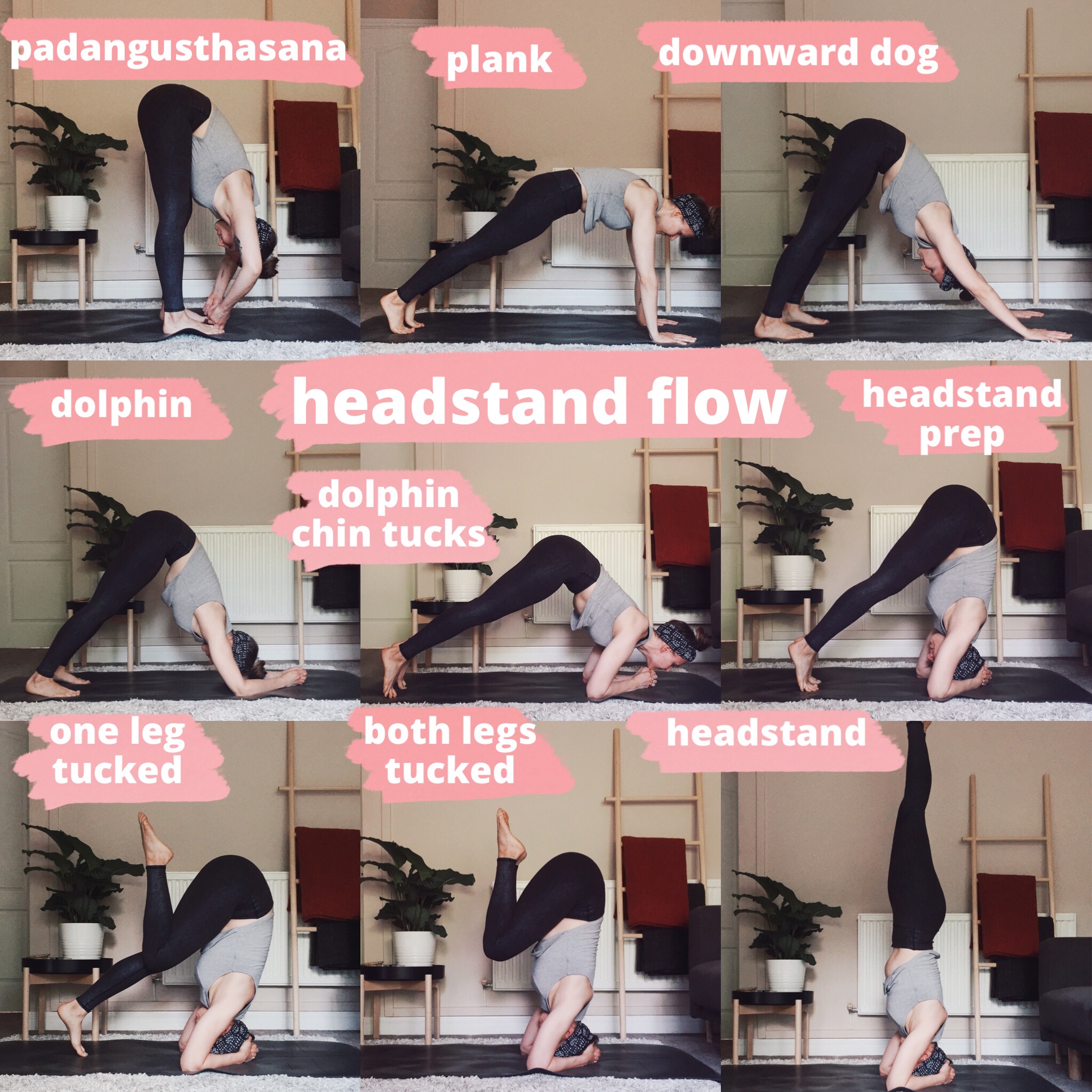
Before diving into the headstand, it’s crucial to prepare the body through a few foundational poses. These preparatory asanas help to build strength, flexibility, and body awareness, minimizing the risk of injury when practicing the headstand.
- Child’s Pose (Balasana): This restorative pose stretches the back and relaxes the neck, allowing practitioners to center their energy.
- How to do it: Kneel on the floor, sit back on your heels, and stretch your arms forward on the mat. Take slow, deep breaths.
- Downward-Facing Dog (Adho Mukha Svanasana): This pose strengthens the shoulders and prepares the body for inversions.
- How to do it: From all fours, lift your hips up and back, creating an inverted "V" shape while pressing your heels towards the ground.
- Forearm Plank (Makara Adho Mukha Svanasana): Engaging the core and shoulder strength is key to successfully holding a headstand.
- How to do it: Start in a plank position, then lower your forearms to the mat while keeping your body straight. Engage your abdominal muscles and hold.
These preparatory poses can be incorporated into your routine to create a strong foundation for your headstand practice. Take a moment, as you move through these poses, to bring awareness to your breath and listen to what your body is telling you.
Step-by-Step Guide to Headstand Posture
Now that your body is warmed up and ready, let’s go through the step-by-step process of achieving a headstand. With patience and practice, you’ll be able to find balance in this invigorating posture.
- Start Position: Kneel on the mat and create a stable base by interlacing your fingers behind your head. Ensure the crown of your head rests on the mat, just above your forehead, creating a comfortable platform.
- Foot Positioning: Draw your knees in towards your chest. Stay centered and balanced, keeping the body in a compact form.
- Lift and Balance: Gradually straighten your legs while pressing the soles of your feet toward the ceiling. Engage your core and hip muscles to maintain stability.
- Find Your Balance: Once your legs are straightened, focus on a point on the wall or floor in front of you to help maintain balance. Remember, your entire body should form a straight line from your head to your toes.
- Hold the Pose: Begin with holding the headstand for 10-30 seconds, breathing steadily. As you grow more comfortable, you can extend the duration. Always listen to your body and come down if you feel any discomfort.
- Exit the Pose: To gracefully exit, lower your legs back into a tuck position, then gently come back down to your knees. Rest in Child’s Pose and embrace the sensations within your body.
It is essential to approach headstands with mindfulness and caution. Practitioners, like Mike, a yoga enthusiast, share how dedicating time to preparatory poses made all the difference in his headstand journey. He emphasized that feeling grounded and stable in preparation allowed him to confidently approach the inversion. As you practice, remember that mastering the headstand takes time. Each session is an opportunity to learn and grow, respecting the limits of your body. If you ever feel uncertain about performing a headstand on your own, consider seeking guidance from an experienced instructor who can provide personalized tips and adjustments. With consistent practice, you'll discover the joy and empowerment that headstand yoga offers. In the following sections, we'll discuss important safety tips to keep in mind while practicing this invigorating pose.

Safety Tips for Headstand Yoga
Proper Alignment and Form
As with any yoga pose, maintaining proper alignment and form during a headstand is essential for both safety and effectiveness. Getting into the correct position not only aids in achieving balance but also minimizes the risk of injury, especially in the neck and spine. To ensure that your headstand is performed safely, here are some key pointers on alignment and form:
- Head Placement: The crown of your head should lightly touch the mat while your neck is in a neutral position. Avoid putting excessive weight on your neck; instead, let the strength of your arms and shoulders support your body.
- Hand Positioning: When interlacing your fingers behind your head, ensure that your elbows are shoulder-width apart. This gives your upper body more stability while supporting your head.
- Core Engagement: Engage your core muscles throughout the pose. A strong core helps to lift your legs more easily and maintain balance, reducing strain on the neck and lower back.
- Spinal Alignment: Keep your spine straight and elongate your body as you ascend into the headstand. Each body part should form a continuous line from the head through the feet.
- Keeping the Chin Tucked: Tucking the chin slightly towards the chest can help maintain length in the neck, preventing compression and strain.
Practicing these alignment tips will help you and others, like Emily, a yoga instructor who emphasizes the importance of form, achieve a safe and stable headstand. She shared that when she first learned to headstand, focusing on proper alignment made all the difference in her confidence and ability to hold the pose for longer periods.
Common Mistakes to Avoid
Even seasoned practitioners can fall into the trap of common mistakes, which can lead to injuries or prevent achieving the desired balance in headstands. Acknowledging these pitfalls is crucial for developing a safe practice.
- Over-Reliance on the Neck: A frequent mistake is overloading the neck with too much weight. This can cause strain and injury. Remember, the arms and shoulders should be the primary support.
- Misalignment of Elbows: If the elbows are flared out too wide, it creates an unstable base. Aim to keep the elbows directly beneath your shoulders for better balance.
- Holding Breath: Many people tense up and hold their breath when attempting a headstand. Instead, focus on maintaining a steady, rhythmic breath, allowing for relaxation and focus.
- Jumping into the Pose: Rushing into or jumping into a headstand can lead to falls and injury. Take your time, and ensure you are comfortable with preparatory poses first.
- Lack of Awareness of Surroundings: It's crucial to practice headstands in a safe environment. Avoid practicing near walls or sharp objects in case of a fall.
- Ignoring Pain Signals: Your body will provide cues if something isn’t right. Ignoring discomfort can lead to longer recovery times. Always listen and heed the messages your body sends.
After struggling initially with her headstand, Lisa learned the importance of avoiding these common mistakes. By focusing on her form and taking the time to breathe, she found herself more capable than ever before. In summary, practicing safe headstands means prioritizing proper alignment, being mindful of common mistakes, and creating a conducive environment for practice. Taking these precautions allows practitioners to tap into the joys of headstand yoga while minimizing the risk of injury. In our next section, we’ll explore the various adaptations and modifications for headstand yoga to accommodate different skill levels and needs, making this powerful pose accessible to all.

Variations and Modifications
Headstand with Props
One of the most rewarding aspects of yoga is its adaptability to individual needs and abilities. For many practitioners, using props can enhance their practice, especially when it comes to challenging poses like the headstand. Props provide support, stability, and safety, making it easier for beginners to experience the benefits of this inversion. Here are a few ways to use props effectively in your headstand practice:
- Wall Support: Positioning yourself near a wall provides reassurance as you work on balance. Start by kicking your legs up against the wall. This helps build confidence and gradually lets you learn how to maintain alignment without support.
- How to practice: Stand a few feet away from the wall, then adopt headstand position. As you lift your legs, allow them to meet the wall, adjusting the distance as you progress.
- Yoga Blocks: Placing blocks under your elbows can help create height and stability. This modification is especially beneficial for those who may find it challenging to get their legs high.
- How to use blocks: Set two yoga blocks on either side of your head before entering the pose. This lift can alleviate pressure and make the pose more comfortable.
- Folded Blanket or Mat: Using a folded blanket or an extra mat can relieve pressure on the head and neck. This is particularly beneficial for those new to headstands.
- How to use a blanket: Fold a blanket to create a cushioned surface for your head. This added comfort supports you as you focus on aligning the rest of your body.
Using these props was a game-changer for David, an avid yogi who struggled with the discomfort of supports while attempting headstands. With the help of a wall and blocks, he found a newfound sense of security that not only transformed his experience but broadened his practice.
Different Headstand Variations for All Levels
As with any yoga pose, there are variations of the headstand that cater to different skill levels, ensuring everyone can enjoy the benefits of inversion. Here are some popular variations:
- Tripod Headstand (Sirsasana II): This variation allows for a broader base of support by extending the legs slightly outward. The legs are less vertical, making it easier for beginners to balance while maintaining the height.
- How to practice: In a standard headstand position, open your legs so your feet are slightly apart, creating a tripod effect. Focus on staying balanced and gradually elevating your legs as you gain confidence.
- Supported Headstand: Using a wall or a chair for support accommodates those who are not yet confident in their balance. This modification helps ease fears while allowing for the experience of being inverted.
- How to use a chair: Position a chair against the wall, placing your forearms on the seat and practicing the headstand while keeping your feet on the chair.
- Knees to Chest (Tucked Headstand): This modification allows beginners to experiment with the headstand by keeping their knees drawn into their chest. It provides a sense of security while developing strength and awareness of the core.
- How to practice: While in a traditional headstand position, pull your knees towards your chest, rather than extending them straight up. This will create a more stable and reachable center of gravity.
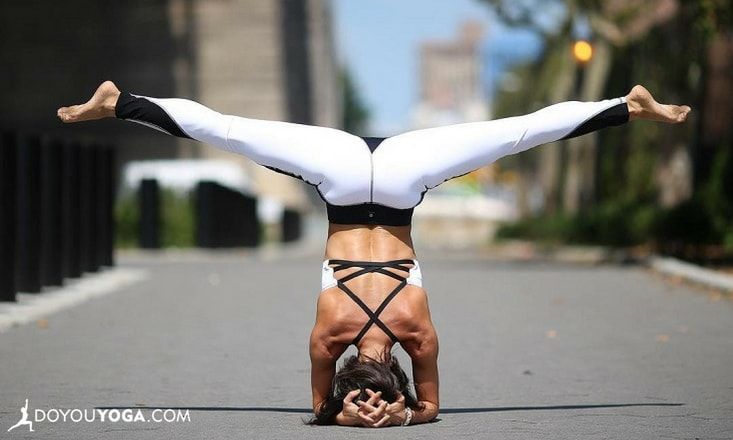
- Split Headstand: For advanced practitioners, the split headstand introduces an added challenge of leg positioning, elevating the complexity of the pose.
- How to practice: In a traditional headstand, spread your legs apart, maintaining balance while forming a straddle position.
Practicing variations allowed Lisa to diversify her yoga routine and enjoy the playful aspects of inversions. She expressed that each variation taught her something unique about her balance, strength, and breath control. In conclusion, the world of headstands is vast and accommodating, with numerous modifications and variations suitable for every level of practice. Embracing these adaptations can empower you to explore and deepen your understanding of inversion, enhancing both your confidence and skill set on the mat. Next, we’ll address important precautions and contraindications to keep in mind so that you can practice headstands with safety and awareness in your yoga journey.

Precautions and Contraindications
When to Avoid Headstand
While headstands offer numerous benefits, they are not suitable for everyone. It’s vital to practice self-awareness and attentiveness, especially when it comes to challenging poses like this. Some situations where you should avoid headstands include:
- Pregnancy: Expectant mothers are generally advised to steer clear of inversions, including headstands. The changes in blood circulation and core balance can be uncomfortable and may pose risks.
- Recent Injuries: If you’ve recently experienced injuries to the neck, back, or shoulders, practicing headstands could exacerbate these injuries. Always prioritize healing over pushing your limits.
- High Blood Pressure: Those with hypertension may find inversions contraindicated, as the pose increases blood flow to the head, which can elevate pressure levels.
- Migraines and Headaches: Individuals prone to migraines or severe headaches should avoid practicing headstands, as the positioning may trigger discomfort or exacerbate symptoms.
- Glaucoma and Eye Conditions: Increased pressure on the eyes can be problematic for those suffering from conditions like glaucoma. It’s always wise to consult with a healthcare professional in such cases.
Jessica, who has a history of migraines, learned this the hard way. Eager to try a headstand, she quickly found that the position intensified her discomfort. By recognizing her body's signals and opting out of the pose, she protected her well-being while still enjoying other aspects of her yoga practice.
Health Conditions to Consider
Beyond specific scenarios, certain health conditions can make headstands potentially risky. Being aware of these conditions can help practitioners decide whether to modify or forego the pose altogether.
- Neck Issues: Those with chronic neck pain, injuries, or conditions such as cervical disc issues should avoid headstands, as the weight of the body placed on the neck could lead to further complications.
- Seizure Disorders: People with epilepsy or seizure disorders should exercise caution with inversions. Even if a seizure is controlled, the risk of falling or injury while inverted increases.
- Balance Disorders: Individuals who experience balance or coordination issues may find holding a headstand hazardous. It’s crucial to prioritize stability and security over aspiration.
- Cardiovascular Concerns: Heart conditions may respond negatively to the changes in circulation and pressure that inversions induce. Consulting with a healthcare provider is essential for those in this category.
- Osteoporosis: For individuals with this condition, headstands may put unnecessary strain on the spine, which can have serious implications.
Understanding these risks is not meant to discourage the practice but to promote safe and mindful yoga. Many yogis, like Mike, a long-time practitioner, found success by always checking in with his body and seeking medical advice when unsure. He made informed choices about his practice that allowed him to continue enjoying yoga while respecting his health limitations. In summary, while headstands can be a profoundly rewarding part of yoga, it is essential to approach them with caution. Recognizing when to avoid this pose and considering relevant health conditions makes the practice safer and more enjoyable. As we wrap up this section, it's important to remember that yoga is a personal journey. Everyone’s body is different, and listening to your intuition ensures a more fulfilling experience on the mat. In our next section, we’ll discuss how to incorporate headstands effectively into your regular yoga practice, allowing you to experience all the benefits this pose has to offer.

Incorporating Headstand Yoga into Your Practice
Integrating Headstand into a Yoga Routine
Incorporating headstand yoga into your regular practice can be an enriching experience, enhancing both your physical capabilities and mental focus. However, doing so requires a thoughtful approach to ensure that you reap the benefits while maintaining safety and alignment.
- Set Intentions: Before each practice, take a moment to set an intention. Are you aiming to improve your strength, overcome fear, or deepen your awareness? This mental preparation can enhance your focus during the headstand.
- Warm-Up Thoroughly: As mentioned earlier, warming up is crucial for safely executing headstands. Begin each session with core-strengthening and shoulder-opening exercises to prepare your body. Sequences including Downward Dog, Shoulder Bridge, and Plank effectively warm up the upper body.
- Create a Headstand Sequence: Design a specific sequence that prepares your body for the headstand. For example:
- Start with Child’s Pose
- Transition into Downward Dog
- Move through Forearm Plank for core engagement
- Practice the preparatory poses discussed earlier
- Finally, enter the headstand and hold for manageable periods
Using this structured approach to integrating the headstand allows you to gradually build the necessary strength and balance. Like Rachel, who began integrating headstands into her routine, many find that establishing a dedicated sequence transforms their experience, leading to greater confidence and enjoyment.
- Cool Down After Practice: After attempting a headstand, it’s important to return to alignment calmly. Conclude your practice with restorative poses like Child’s Pose and a gentle seated forward fold to relax the neck and back.
Combining Headstand with Other Poses
In addition to being a standalone pose, headstands can complement a variety of other yoga asanas, offering a well-rounded practice. Here are some examples of how to effectively combine headstands with other poses:
- Precede with Strengthening Poses: Build strength and stability by incorporating poses such as Dolphin Pose or Warrior III before transitioning to a headstand. By activating the core and shoulders beforehand, you’ll find it easier to hold the inversion.
- Example Sequence:
- Dolphin Pose → Plank Pose → Transition to Headstand
- Example Sequence:
- Flow Between Inversions: Utilize the headstand as a transition point between other inversion poses, such as Handstand or Forearm Stand. This helps to create fluidity and challenge your balance.
- Example Flow:
- Child’s Pose → Downward Facing Dog → Headstand → Transition to Handstand
- Example Flow:
- Counterpose with Backbends: Since headstands are an inversion, practicing them alongside counterposes ensures the body remains balanced. After holding a headstand, incorporate poses like Cobra or Upward-Facing Dog.
- Focus on Breath: Inversions can bring exciting energy and lend themselves well to breathwork. After returning to a seated position, practice pranayama techniques to center yourself. This technique was particularly helpful for Tom, who shared how combining breathwork with headstands helped him access deeper states of mindfulness.
By creatively integrating headstands into your yoga practice, you not only enhance your physical prowess and stability but also cultivate mental clarity and emotional resilience. Each integration approach can lead to new discoveries on your mat, embodying the essence of yoga as a journey of growth and exploration. With dedication and awareness, headstand yoga becomes more than just an ultimate pose to conquer; it turns into a profound experience that enhances overall well-being. In the next section, we will provide advanced tips and techniques to elevate your headstand practice further, allowing you to explore its full potential safely and confidently.

Advanced Tips and Techniques
Advanced Headstand Variations
Once you've mastered the classic headstand (Sirsasana) and feel confident in your practice, it's time to explore some advanced variations. These can deepen your practice by challenging your balance, strength, and focus while also keeping things exciting!
- Split Headstand (Astravakrasana): In this variation, you open the legs into a straddle or split position while balancing upside down. It demands greater flexibility and control.
- How to practice: Begin in a standard headstand position, then slowly spread your legs apart into a V shape or a full split. Maintain a strong core to stabilize your body.
- Tripod Headstand with Leg Extensions: While in a tripod headstand, extend one leg at a time, creating a beautiful balance of strength and flexibility.
- How to practice: As you balance in a tripod headstand, engage your core and slowly extend one leg toward the ceiling, then alternate between legs.
- Curved Headstand: This variation involves bending the legs behind you while in a headstand, creating a graceful curve in the body. This takes a lot of strength and flexibility!
- How to practice: From a headstand, bend your knees, bringing them behind you while keeping your upper body vertical. Keep your core engaged to maintain stability.
- Vinyasa Flow with Headstand: Integrate your headstand with other poses in a flowing sequence, as it can enhance your endurance and fluidity.
- How to practice: For example, move from a Downward Dog into a headstand, then back into a Downward Dog, and transition into a Plank. Repetition of this flow cultivates strength and control.
Sophie, an experienced yogini, shared how exploring these advanced variations reignited her excitement for practice. She enjoyed challenging her body and mind while developing a unique connection to her breath and movement.
Tips for Improving Headstand Practice
As you dive deeper into advanced headstand techniques, here are some helpful tips to refine your practice and enhance your confidence:
- Master Crow Pose (Bakasana): This pose helps build the necessary arm strength and balance required for headstands. Practice shifting your weight forward while keeping your core engaged.
- Focus on Core Strength: A strong core is vital for stability in headstands. Incorporate exercises such as leg raises, planks, and boat pose into your routine to strengthen your abdominal muscles.
- Use a Mirror or Video: Recording your headstand practice or practicing in front of a mirror can offer valuable feedback on alignment and form. Make adjustments based on what you observe.
- Regularly Alternate: To increase overall awareness, switch between different variations, such as exploring headstands with props or practicing near a wall. Each variation provides distinct benefits and challenges.
- Meditation and Mindfulness: Before attempting a headstand, spend a few minutes in meditation to center your thoughts. This practice calms nerves and heightens focus, essential for finding balance in the pose.
- Practice Patience: Headstands can be daunting, especially when introducing new techniques. Embrace the learning process, and allow your practice to evolve over time without rushing.
For instance, Daniel, who was initially afraid of flipping upside down, practiced regularly and gradually built his strength and confidence. He found that the more patient he was with himself, the more progress he made – a reminder that every yogi’s journey is unique. In conclusion, exploring advanced headstand variations and following these tips can significantly enhance your practice. Yoga is not just about achieving the perfect pose but about the journey and growth along the way. With dedication, mindfulness, and a willingness to explore, you can unlock new levels of strength, balance, and awareness in your yoga practice. As you continue your exploration of headstands, remember to always listen to your body and enjoy the process. In our final thoughts, let’s celebrate the journey of yoga and how it transforms not only our bodies but also our hearts and minds.